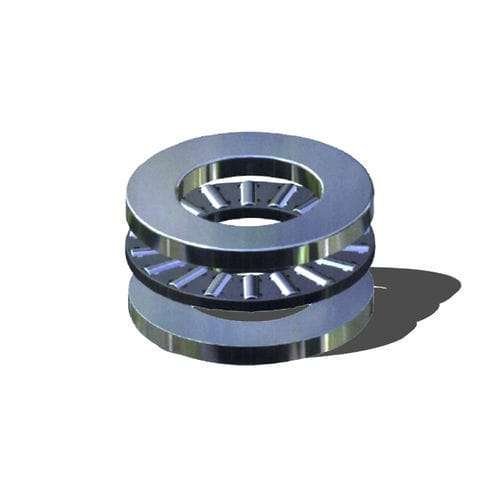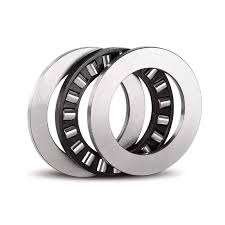
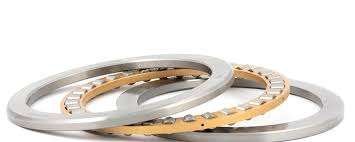
Cylindrical Roller Thrust Bearings UAE

Cylindrical Roller Thrust Bearings UAE are essential components for industries that require dependable axial load handling, stable rotation, and long-term performance under extreme pressure. Bearings World offers a complete selection of Cylindrical Roller Thrust Bearings UAE designed for heavy-duty applications, high-speed systems, and industrial environments where precision and durability are critical. Our Cylindrical Roller Thrust Bearings UAE provide superior operational reliability, supporting various industrial sectors with high axial load capacity, reduced friction, and long service life.

At Bearings World, we supply high-quality Cylindrical Roller Thrust Bearings UAE that deliver consistent functionality even under demanding conditions. These bearings are specifically engineered to support axial loads while maintaining stable performance during continuous operation. Whether used in vertical shafts, industrial turbines, gear systems, compressors, or lifting machinery, Cylindrical Roller Thrust Bearings UAE ensure smooth operation and dependable performance across multiple sectors in the region.

Key Features of Cylindrical Roller Thrust Bearings UAE
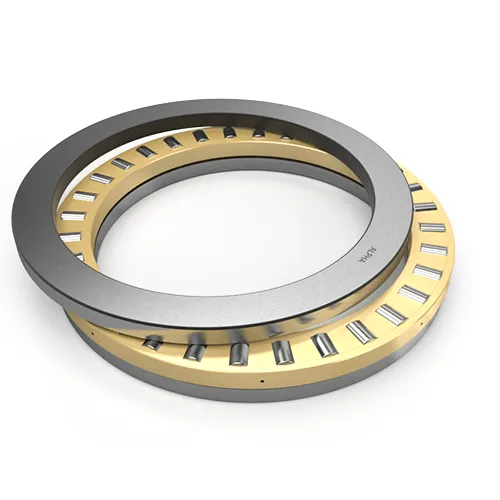
Cylindrical Roller Thrust Bearings Dubai
  • High axial load capacity

  • Superior load distribution

  • Reduced friction for smooth movement

  • Long operating life

  • Designed for heavy-duty applications

  • Stable performance at high speeds

  • Excellent axial load handling

  • Robust construction for industrial environments

  • Supports vertical load-bearing machinery

  • Manufactured with precision engineering

Applications of Cylindrical Roller Thrust Bearings UAE

Cylindrical Roller Thrust Bearings UAE are used extensively in sectors where axial loads and rotational stability are essential. Common applications include:

  • Gearboxes

  • Vertical turbine shafts

  • Industrial compressors

  • Heavy-duty lifting equipment

  • High-pressure pumps

  • Precision gear systems

  • Marine propulsion machinery

  • Power generation equipment

  • Oil and gas machinery

  • Construction and material-handling systems

Bearings World supplies Cylindrical Roller Thrust Bearings UAE to industries requiring reliable, long-lasting, and high-performance components for demanding applications and high-load environments.


Why Choose Bearings World for Cylindrical Roller Thrust Bearings UAE?

Bearings World is a trusted industrial supplier known for providing high-quality Cylindrical Roller Thrust Bearings UAE that enhance overall machinery reliability and performance. Our bearings are sourced from globally recognized manufacturers, ensuring the highest level of precision, durability, and technical excellence. We are committed to supporting all industries across the UAE with professional supply solutions, expert guidance, and efficient service.

At Bearings World, we provide:

  • Genuine Cylindrical Roller Thrust Bearings UAE

  • Fast delivery across the UAE

  • Professional technical support

  • Competitive pricing

  • Customized bearing solutions

  • Large inventory availability

  • Long-term industrial supply partnerships

Our Cylindrical Roller Thrust Bearings UAE are engineered to perform under rigorous conditions, offering smooth axial load handling and optimal stability. Industries rely on Bearings World for dependable products that reduce downtime and improve overall operational efficiency.


Benefits of Using Cylindrical Roller Thrust Bearings UAE

Cylindrical Roller Thrust Bearings UAE offer extensive benefits for machines and industrial systems, including:

  • Excellent axial load support

  • Reduced rotational friction

  • High performance in vertical load systems

  • Stable operation under continuous stress

  • Improved machine efficiency

  • Lower maintenance requirements

  • Long service life

  • Enhanced operational reliability

  • Precision alignment with minimal vibration

  • Better performance in heavy-load applications

These bearings are designed to ensure consistent rotation and load distribution, preventing premature wear, reducing downtime, and ensuring machinery operates at high efficiency.


Technical Advantages of Cylindrical Roller Thrust Bearings UAE

Cylindrical Roller Thrust Bearings UAE are manufactured using advanced engineering technology to meet the requirements of modern industrial applications. Their technical strengths include:

  • Smooth axial movement

  • Higher stability under heavy pressure

  • Durable internal structure

  • Enhanced lubrication flow

  • Improved heat dissipation

  • Ability to withstand continuous axial loads

  • Compatibility with vertical shafts

  • Longer-lasting performance

  • Optimized internal geometry

  • High-speed operational capability

These technical advancements make Cylindrical Roller Thrust Bearings UAE a preferred choice for industries dealing with high loads, precision requirements, and continuous operation.


Industries Using Cylindrical Roller Thrust Bearings UAE

The demand for Cylindrical Roller Thrust Bearings UAE spans multiple sectors due to their durability and high load-handling capabilities. Industries that rely on these bearings include:

  • Power generation

  • Oil and gas

  • Marine engineering

  • Construction

  • Mining and quarrying

  • Steel manufacturing

  • Transportation systems

  • Heavy machinery production

  • Industrial manufacturing plants

  • Chemical and processing industries

Bearings World provides Cylindrical Roller Thrust Bearings UAE to these industries with guaranteed quality, performance, and long-term operational dependability.


Product Availability at Bearings World

Bearings World offers an extensive range of Cylindrical Roller Thrust Bearings UAE to serve every industrial requirement. Our selection includes:

  • Standard Cylindrical Roller Thrust Bearings UAE

  • Precision-grade Cylindrical Roller Thrust Bearings UAE

  • Heavy-duty Cylindrical Roller Thrust Bearings UAE

  • Industrial application Cylindrical Roller Thrust Bearings UAE

  • High-load axial support models

  • Customized bearing solutions for unique applications

With a well-stocked inventory and responsive supply network, Bearings World ensures industries receive timely access to essential bearing solutions.


UAE-Wide Distribution of Cylindrical Roller Thrust Bearings

Bearings World supplies Cylindrical Roller Thrust Bearings UAE across all major industrial regions, including:

  • Cylindrical Roller Thrust Bearings Dubai

  • Cylindrical Roller Thrust Bearings Abu Dhabi

  • Cylindrical Roller Thrust Bearings Sharjah

  • Cylindrical Roller Thrust Bearings Ajman

  • Cylindrical Roller Thrust Bearings Ras Al Khaimah

  • Cylindrical Roller Thrust Bearings Fujairah

  • Cylindrical Roller Thrust Bearings Umm Al Quwain

Our distribution network ensures fast delivery, strong inventory support, and professional service for all industrial clients across the UAE.


Conclusion

Cylindrical Roller Thrust Bearings UAE play a vital role in industrial machinery by offering outstanding axial load capacity, stable performance, and reliable functionality under demanding conditions. Bearings World continues to serve industries across the UAE with premium-quality Cylindrical Roller Thrust Bearings UAE designed to improve machinery performance, minimize downtime, and provide long-lasting durability.

With advanced engineering, superior axial load handling, and exceptional operational stability, Cylindrical Roller Thrust Bearings UAE are indispensable components for modern industrial systems. Bearings World ensures that every client receives high-grade bearing solutions tailored to their machinery needs. Through reliable supply, expert support, and a commitment to industrial excellence, Bearings World remains a leading provider of Cylindrical Roller Thrust Bearings UAE across the region.


[rank_math_rich_snippet id="s-964cceda-a980-4de5-8db1-946ada20191b"]

Industrial environments across multiple sectors rely on components that can support heavy loads, withstand challenging operating conditions, and maintain performance over long periods of use. Among these essential components, thrust bearing assemblies play a critical role in ensuring smooth rotational movement while carrying substantial axial loads. These systems enable machinery to run efficiently, reduce energy loss, and minimize friction-related wear, ultimately supporting the stability and longevity of industrial equipment. Thrust-based bearing mechanisms are used in a wide variety of applications, from large-scale power generation to precision-driven automation systems. Their primary function revolves around managing forces that act parallel to the rotating shaft, ensuring that machines operate without unwanted movement or misalignment. Because axial load management is so vital, industries depend on components engineered with high-strength materials, high load ratings, and precise structural design. This helps prevent machinery breakdowns, maintains production flow, and supports overall operational productivity. Over the years, mechanical engineering has evolved significantly, leading to the development of advanced bearing technologies that prioritize efficiency, resilience, and consistent performance. Modern thrust bearings come in different configurations, each tailored to meet unique operational requirements. Businesses select the appropriate type based on speed, load intensity, temperature exposure, lubrication type, and the type of machinery in which the bearing will be installed. This ensures that every application receives the correct solution for optimal functionality. One of the key advantages of thrust-oriented bearing systems is their ability to handle high-stress environments with remarkable precision. Whether used in heavy industrial presses, transport equipment, mining systems, or marine propulsion units, they are designed to maintain stability under varying load conditions. Their construction often incorporates advanced steel alloys or special heat-treated materials that improve the bearing’s ability to resist wear, fatigue, and deformation—issues that typically arise when machinery operates continuously or under extreme pressure. In addition to material quality, the design of these bearings plays a crucial role in their performance. Engineers analyze the forces acting on the machinery and select the most suitable configuration to balance axial loads while enabling smooth rotational movement. Various factors such as cage design, surface finish, lubrication channels, and internal geometry contribute to the bearing’s durability and performance under stress. This level of structural precision ensures that the bearing can carry heavy loads without compromising efficiency. Another essential aspect of advanced bearing technology is effective heat management. Bearings that handle substantial loads often generate significant heat due to friction and constant rotational movement. Without proper cooling or lubrication, temperatures can rise beyond safe limits, potentially causing component degradation or system failure. To address this, manufacturers design bearings with enhanced lubrication pathways that allow for uniform oil distribution. Some systems also use specific lubricants that maintain their properties even in high-temperature environments, ensuring reliable long-term operation. Regular maintenance further enhances bearing longevity. Industries understand that lubrication schedules, timely inspections, and immediate replacement of worn parts are critical in extending the life of machinery. Maintenance teams typically check for vibration, noise, temperature variation, or misalignment, all of which can indicate potential issues. By addressing these concerns early, businesses can avoid downtime and preserve the performance of their operations. Preventive maintenance also reduces overall costs by minimizing the risk of larger mechanical failures. Technological advancements have also transformed the way industries monitor bearing conditions. Many modern facilities now use sensor-based monitoring systems that track performance in real time. These sensors measure vibration levels, temperature changes, lubrication status, and rotational accuracy. When abnormalities occur, the system alerts the operators, allowing them to take corrective action before the issue escalates. This predictive maintenance approach has become increasingly valuable, especially in high-demand environments where machinery operates around the clock. Beyond performance, bearings play a vital role in supporting safety. In sectors such as energy, construction, transportation, and manufacturing, reliable thrust components are essential for preventing equipment malfunction. A failure in axial load support can potentially lead to system collapse, damage to property, or harm to personnel. Therefore, choosing well-engineered bearing types and ensuring proper installation contributes significantly to workplace safety standards. Industries also consider environmental conditions when selecting bearing solutions. Machines that operate outdoors, in marine environments, or in dusty industrial zones require corrosion-resistant, sealed, or specially coated bearings. These protective features shield components from moisture, salt exposure, abrasive particles, and chemical interactions. The goal is to maintain performance despite environmental challenges, preventing premature wear and ensuring consistent output. Customization is another factor that businesses increasingly rely on. Not all applications operate under the same conditions, so manufacturers often provide tailored solutions designed to meet specific performance requirements. These custom bearings may include modified internal geometries, altered cage designs, specialized surface treatments, or compatibility with unique lubrication systems. Custom-engineered components can greatly enhance system precision and reliability, particularly in high-performance machinery. In industries that involve fast-moving equipment or systems with frequent directional changes, thrust bearings provide the necessary support to maintain system alignment. They help prevent shaft displacement and ensure that rotational movement remains smooth. This is especially important in machinery where stability directly impacts accuracy, such as automated assembly lines, robotics, and high-precision tools. Economic efficiency is another advantage that high-quality bearing systems bring to operations. By reducing friction, minimizing energy consumption, and lowering the risk of mechanical failure, they contribute to long-term cost savings. Although the initial investment in premium components may be higher, the reduced maintenance costs, enhanced productivity, and extended equipment life often result in greater overall value. This makes them a preferred choice for industries focused on optimizing operational efficiency. Industries with heavy operational loads, such as mining, steel production, and maritime operations, rely on specialized bearings due to their ability to withstand intense working conditions. These bearings provide the robustness necessary to handle continuous pressure and extreme forces, ensuring that machinery remains functional throughout demanding cycles. Their proven reliability makes them indispensable in sectors where downtime can lead to significant financial losses. Additionally, advancements in manufacturing processes have resulted in improved precision and consistency in bearing production. High-tech machinery, laser measurement systems, and automated quality checks ensure that each component meets strict performance standards. This helps industries maintain confidence in the reliability and durability of the products they use, reinforcing the importance of investing in top-tier bearing solutions. Sustainability has also become an important consideration. Modern production techniques focus on reducing material waste, improving energy efficiency, and creating components that last longer to minimize environmental impact. Many manufacturers now adopt eco-friendly coatings, low-energy production methods, and recyclable materials to support global sustainability goals. Long-lasting bearings reduce the frequency of replacements, contributing to reduced material consumption and waste. As industries continue to evolve, the demand for efficient load-bearing components remains strong. Engineers, maintenance specialists, and procurement teams work together to evaluate operational requirements and select components that meet specific performance criteria. The ongoing improvement in design, materials, and monitoring technology ensures that industrial operations remain dependable, productive, and safe. Ultimately, the importance of thrust-oriented bearing systems extends far beyond simple mechanical rotation. They support the entire structure and stability of the machinery they serve. By enabling smooth movement, absorbing axial forces, and providing long-lasting performance, these components contribute significantly to the reliability and success of industrial operations. Their presence in countless applications demonstrates their essential role in the modern industrial landscape, ensuring that machines operate with precision, efficiency, and resilience across diverse environments. Industrial machinery relies on components that can maintain stability, precision, and reliability under demanding operational conditions. Among these essential components, thrust-handling bearing systems serve a critical function by supporting axial forces and ensuring smooth rotational movement. Their role is fundamental in a wide range of applications where machinery must operate efficiently without experiencing misalignment, friction-related damage, or performance disruption. These specialized components are engineered to tolerate high levels of stress generated by loads acting parallel to the shaft. In many industries, machinery operates continuously for long hours, making durability and heat resistance essential. The structural design of thrust-oriented bearings allows them to distribute pressure evenly, reducing the likelihood of premature wear. Their internal configuration, which may include rolling elements, cages, and precision-machined raceways, ensures consistent movement even in challenging environments. Proper lubrication is one of the most important factors that influence the performance and lifespan of these components. Lubrication reduces friction, supports heat dissipation, and minimizes metal-to-metal contact. Many industrial systems rely on advanced lubrication channels or systems that distribute oil or grease evenly across all surfaces. When these lubrication systems operate correctly, they greatly enhance the durability of the component and reduce maintenance requirements. Industries that rely heavily on rotating equipment—such as energy production, heavy construction, manufacturing, and marine operations—depend on the ability of thrust-bearing solutions to manage continuous loads effectively. These components must operate in environments that may involve exposure to dust, moisture, vibration, and fluctuating temperatures. To address this, manufacturers use high-strength materials and advanced heat treatments that improve fatigue resistance and structural integrity. Maintenance practices also play a vital role in ensuring efficient operation. Routine inspections help detect early signs of wear, including unusual noise, elevated temperatures, or vibration. By addressing issues early, technicians prevent unexpected downtime and extend the service life of the machinery. Many operations adopt predictive maintenance technologies that use sensors to track the performance of rotating components. These systems provide real-time updates on temperature, vibration levels, and lubrication condition, allowing teams to respond before problems escalate. Another important consideration is appropriate component selection. Each industrial application has specific load requirements, operating speeds, and environmental factors. Selecting the correct configuration ensures that the machinery receives optimal support. Engineers evaluate factors such as shaft alignment, rotational direction, and required precision before determining the best solution. Using the right component not only improves performance but also reduces long-term operational costs. Advancements in manufacturing technology have significantly improved the quality and consistency of these mechanical systems. Precision machining, automated assembly, and quality testing ensure that each component meets high performance standards. The use of advanced materials, including specialized steel alloys, coatings, and heat-resistant compounds, contributes to improved output and reliability. These technological advancements allow industries to operate more efficiently and minimize mechanical failures. Environmental resilience is also a key design factor. Applications in marine, mining, or outdoor environments require components that can resist corrosion, moisture, and abrasive particles. Manufacturers offer sealed or coated variants that act as protective barriers, safeguarding the internal mechanisms from contamination. This added protection ensures stable performance even when exposed to challenging external conditions. Another advantage of well-designed thrust systems is improved energy efficiency. When rotating components move smoothly with minimal friction, machinery requires less power to operate. This results in cost savings and reduces overall energy consumption. For companies focused on adopting sustainable and environmentally conscious practices, using high-performance components contributes positively to long-term efficiency goals. Modern engineering has also emphasized the importance of reducing noise and vibration in machinery. Advanced bearing configurations are designed to maintain stable movement, reducing operational disturbances and supporting greater accuracy in systems that rely on precision. This is particularly important in industries such as manufacturing and automation, where even minor misalignment can affect output quality. Customization has become increasingly common as industries seek tailored solutions. Custom-designed components may include modified internal structures, specialized lubrication pathways, or unique materials suited for specific applications. These customizations help businesses optimize performance and ensure that machinery operates according to the specific demands of their environment. Economic benefits also play a significant role in the value of high-quality industrial components. Although premium options may involve higher initial investment, the long-term advantages are considerable. Reduced maintenance, minimized downtime, and improved operational lifespan all contribute to cost savings. Businesses gain greater reliability in their equipment and can maintain a consistent production capacity without unexpected interruptions. As industries evolve and machinery becomes more advanced, the importance of reliable axial-load-supporting components continues to grow. Engineers and operations managers focus on selecting systems that support high loads, provide long-lasting performance, and maintain accuracy in complex environments. With modern innovations in design, material science, and monitoring technology, thrust-oriented components remain central to the efficiency and success of industrial operations.