
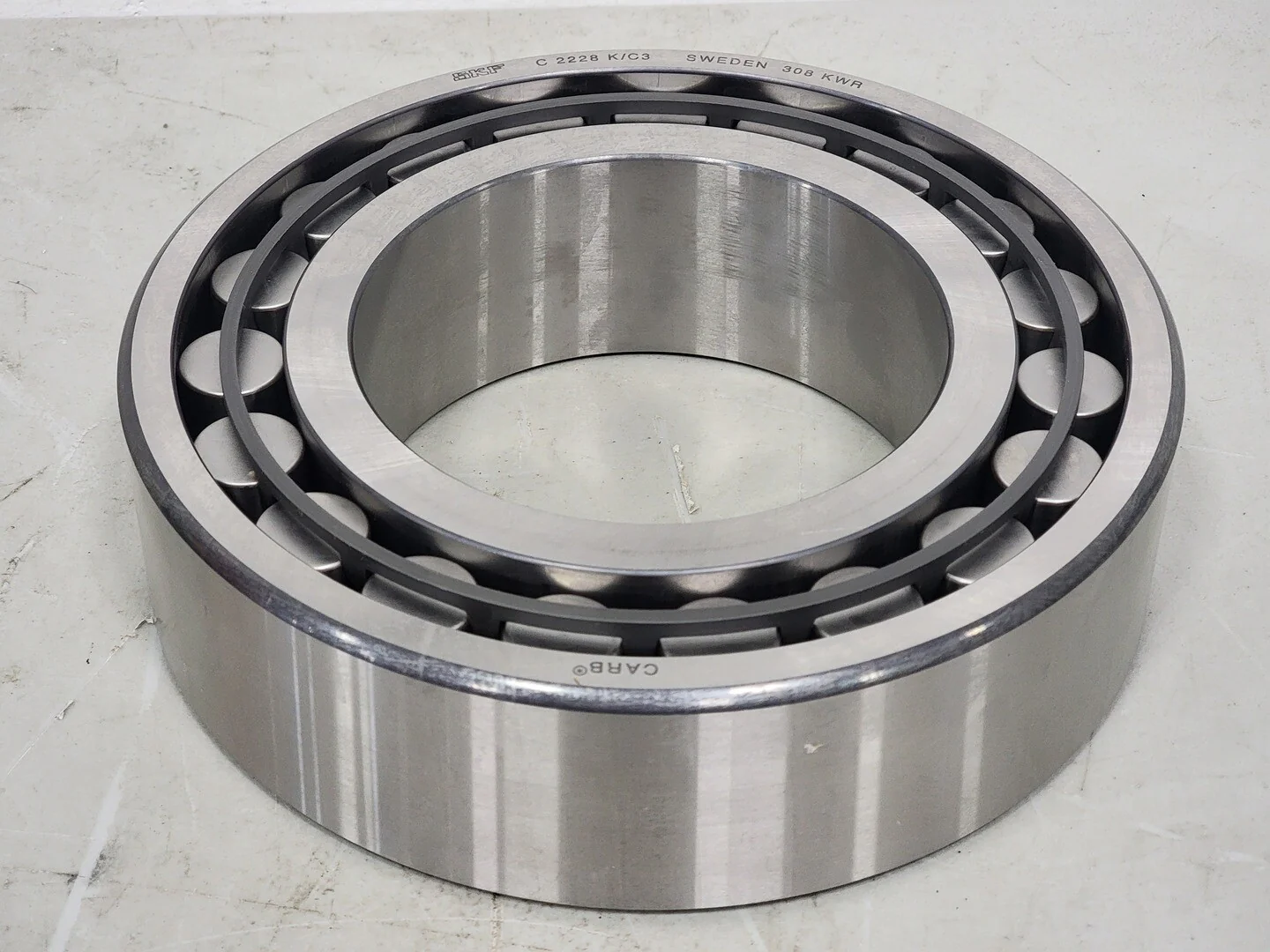
CARB Toroidal Roller Bearings UAE

CARB Toroidal Roller Bearings UAE are widely used in industries that demand high performance, reduced friction, and reliable performance under misalignment or axial displacement. Bearings World provides a complete range of CARB Toroidal Roller Bearings UAE designed for industrial machinery, power transmission systems, and heavy-duty applications. Our CARB Toroidal Roller Bearings UAE support rotating equipment with exceptional durability, helping companies operate efficiently in demanding working environments. By offering high-quality CARB Toroidal Roller Bearings UAE, Bearings World ensures long-lasting performance, cost savings, and reliable functionality for various industrial sectors across the region.

CARB Toroidal Roller Bearings UAE are engineered to handle radial loads effectively while compensating for shaft misalignment and axial movement. These bearings are suitable for industries where vibration, thermal expansion, or heavy loads affect bearing performance. Bearings World supplies premium-grade CARB Toroidal Roller Bearings UAE that meet global standards, ensuring smooth operations and reduced maintenance. Whether used in heavy industries, manufacturing plants, or power equipment, CARB Toroidal Roller Bearings UAE offer exceptional stability and reliability.

Key Features of CARB Toroidal Roller Bearings UAE
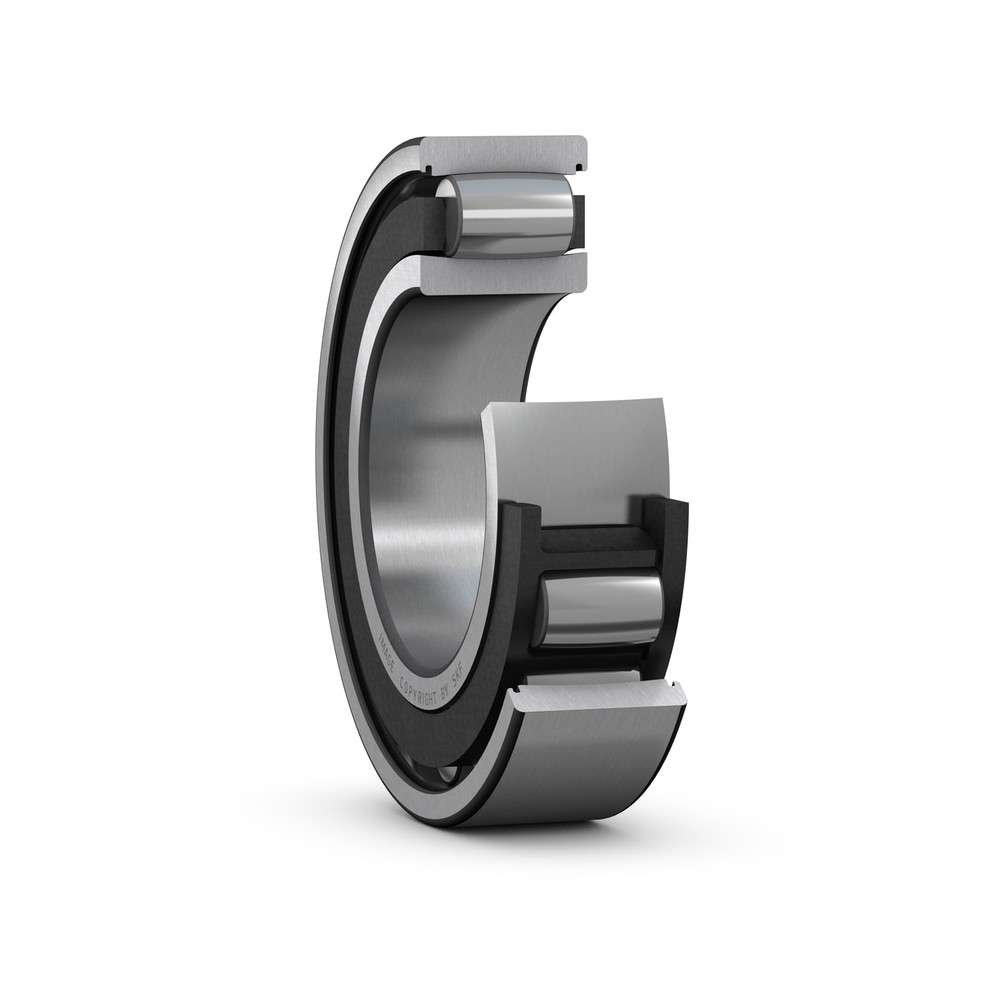
CARB Toroidal Bearings Dubai
  • Long operating life with reduced friction

  • Self-aligning capability for misalignment

  • High radial load capacity

  • Reduced internal stress during operation

  • Suitable for heavy-duty industrial machinery

  • Supports smooth rotational movement

  • Ideal for applications with shaft displacement

  • Excellent performance under vibration

  • Designed for optimized running conditions

  • Available in various sizes and specifications

Applications of CARB Toroidal Roller Bearings UAE

CARB Toroidal Roller Bearings UAE are commonly used in:

  • Gearboxes

  • Pulp and paper machinery

  • Heavy machinery and conveyors

  • Industrial motors and generators

  • Material-handling equipment

  • Marine and offshore machinery

  • Steel manufacturing industries

  • Cement and mining equipment

  • Pump and compressor systems

  • Power transmission units

Bearings World delivers CARB Toroidal Roller Bearings UAE for industries seeking reliable bearing performance with minimal maintenance and maximum efficiency.


Why Choose Bearings World for CARB Toroidal Roller Bearings UAE?

Bearings World is a trusted supplier of CARB Toroidal Roller Bearings UAE, offering customers premium-grade bearings that enhance operational reliability. We ensure that industries receive long-lasting and high-performance solutions tailored to their machinery needs. Our extensive range of CARB Toroidal Roller Bearings UAE covers various industrial requirements, offering flexibility, durability, and compatibility with modern equipment.

At Bearings World, we ensure every customer receives:

  • Genuine high-quality CARB Toroidal Roller Bearings UAE

  • Timely delivery

  • Expert technical guidance

  • Affordable industrial supply solutions

  • Large stock availability

  • Custom industrial solutions

Our CARB Toroidal Roller Bearings UAE are engineered with precision, ensuring smooth operation and minimal downtime for industrial machinery. Bearings World continues to support industries across the region with reliable and high-performance bearing solutions.


Benefits of Using CARB Toroidal Roller Bearings UAE

CARB Toroidal Roller Bearings UAE from Bearings World offer multiple operational benefits, including:

  • Reduced energy loss during rotation

  • Longer service life with optimal lubrication

  • Ability to handle thermal expansion conditions

  • Smooth operation in high-load applications

  • Better alignment capability under operational stress

  • Reduced maintenance cost

  • Improved machine reliability

  • Prevention of premature bearing failure

  • Enhanced vibration absorption

  • Efficient performance in demanding environments

The unique design of CARB Toroidal Roller Bearings UAE ensures that machinery can operate without frequent adjustments or alignment issues. This makes them a preferred choice for industries facing heavy loads and structural movements.


Technical Advantages of CARB Toroidal Roller Bearings UAE

CARB Toroidal Roller Bearings UAE are engineered using advanced technology to ensure long-lasting durability. Some technical strengths include:

  • Uniform load distribution

  • Lower frictional resistance

  • Thermal stability under varying temperatures

  • Excellent performance at high speeds

  • Robust internal geometry for better load support

  • Enhanced lubrication retention

  • Compatibility with various industrial housings

These technical strengths make CARB Toroidal Roller Bearings UAE ideal for various industrial setups requiring continuous rotation and heavy load handling.


Industries Using CARB Toroidal Roller Bearings UAE

With a strong reputation for reliability, CARB Toroidal Roller Bearings UAE are used widely in:

  • Construction machinery

  • Power generation plants

  • Oil and gas industries

  • Mining and quarry machinery

  • Marine operations

  • Transportation systems

  • Heavy manufacturing plants

  • Chemical processing industries

Bearings World supplies CARB Toroidal Roller Bearings UAE to all these sectors, ensuring they receive quality solutions designed for long-term use.


Product Availability at Bearings World

Bearings World offers a wide range of CARB Toroidal Roller Bearings UAE, including:

  • Standard CARB Toroidal Roller Bearings UAE

  • High-load type CARB Toroidal Roller Bearings UAE

  • Precision-grade CARB Toroidal Roller Bearings UAE

  • Heavy-duty CARB Toroidal Roller Bearings UAE

  • Industrial application CARB Toroidal Roller Bearings UAE

We maintain a large inventory of CARB Toroidal Roller Bearings UAE to meet urgent industrial requirements.


Conclusion

CARB Toroidal Roller Bearings UAE play a crucial role in modern industrial machinery, offering excellent radial load capacity, self-aligning features, and robust operational performance. Bearings World remains a leading supplier of CARB Toroidal Roller Bearings UAE, supporting industries with high-quality, durable, and efficient bearing solutions. With advanced engineering, exceptional load-handling capability, and superior alignment performance, CARB Toroidal Roller Bearings UAE ensure machinery operates smoothly even in demanding environments.

Bearings World continues to provide industries with reliable CARB Toroidal Roller Bearings UAE designed to enhance machinery efficiency, reduce maintenance, and extend the overall service life of equipment. For industries seeking dependable performance and proven durability, CARB Toroidal Roller Bearings UAE from Bearings World stand as the optimal choice.
[rank_math_rich_snippet id="s-9131b6f4-e9fc-40e1-9f5d-23499a40ee81"]

Bearings play a foundational role in modern machinery, supporting rotational movement while minimizing friction and enabling smooth operation under a wide range of conditions. Among the varieties used in industrial environments, toroidal-type rolling bearings stand out for their ability to accommodate misalignment, axial displacement, and significant radial loads without compromising efficiency. Their unique internal geometry, advanced engineering, and robust construction make them essential components in industries that demand reliability, precision, and long service life. These bearings incorporate a combination of features traditionally found separately in self-aligning roller bearings and cylindrical roller bearings. By merging these characteristics into one design, engineers have created a solution capable of handling substantial stresses while compensating for movement within the system. This makes the toroidal structure particularly useful in applications where operating conditions fluctuate or where structural components experience natural flexing, thermal expansion, or uneven loading. One of the most valuable aspects of this bearing type is its ability to handle axial movement without generating internal tension. When machinery heats up during operation, components often expand, causing shafts to shift from their original position. In traditional bearing arrangements, this shift can create unwanted stress that contributes to early wear or failure. The toroidal design avoids this issue by allowing internal elements to move without impacting performance, which extends operational life and reduces the risk of mechanical failure. Another important feature is the ability to accommodate misalignment. When machinery operates under vibration, heavy load, or structural changes, perfect alignment cannot always be maintained. Traditional bearings may struggle under such conditions, leading to increased friction, unusual wear patterns, and eventual breakdown. Toroidal bearings, however, are engineered to handle these variations with ease. Their internal geometry allows rollers to adapt to shifts, ensuring smooth rotation even when alignment changes during operation. Durability is a major priority in industrial sectors, and the robust construction of these bearings contributes significantly to their longevity. High-quality steel is used in manufacturing, providing strength, toughness, and resistance to fatigue. This ensures the bearing can endure constant stress over long periods. Precision machining further enhances performance, ensuring smooth surfaces, accurate alignment of rollers, and optimal load distribution. The result is a component built to withstand the demanding environments found in heavy industry, manufacturing, and energy production. Another important consideration is lubrication. Smooth operation relies heavily on maintaining an adequate lubrication film within the bearing. This film prevents metal-to-metal contact, reduces friction, and protects against wear. Lubrication also helps dissipate heat generated during operation. Depending on the application, lubrication can be supplied manually, continuously, or through an automated system. Regular monitoring ensures that lubrication remains effective, preventing issues that could lead to premature failure. Maintenance practices also play a crucial role in ensuring long-term reliability. Performing regular inspections allows operators to identify early signs of wear, misalignment, or lubrication shortage. Vibrational analysis, temperature monitoring, and periodic visual checks are commonly used to evaluate the condition of these bearings. When issues are detected early, corrective actions can be taken before more significant problems develop, helping reduce downtime and extending machinery life. The applications for toroidal bearings are diverse and widespread across multiple industries. They are frequently used in heavy machinery because of their ability to handle powerful radial loads and adapt to shifting operational conditions. Conveyor systems, for example, benefit from the dynamic load-handling properties these bearings provide. In power generation, they support turbines and generators that operate under high temperature and vibration. In pulp and paper mills, where machinery operates continuously at high speed, the ability to accommodate misalignment and axial movement helps maintain reliability. In marine environments, the ability to withstand vibration and unpredictable movement makes these bearings ideal for propulsion systems and auxiliary machinery. In mining operations, where equipment regularly faces heavy loads and harsh conditions, the strength and adaptability of toroidal bearings help maintain efficiency and reduce unexpected failures. The versatility of this bearing type makes it a valuable component in any environment where equipment performance must remain consistent despite challenging operating conditions. Technological advancements have contributed to further refinement of this bearing type. Engineers now use advanced simulation tools to analyze stress distribution, optimize roller geometry, and improve internal surface finishes. Modern heat treatment methods enhance material properties, increasing resistance to fatigue and wear. Improved cage designs enhance roller stability and reduce friction. Surface coating technologies offer additional protection against corrosion and contamination, making the bearing more reliable in harsh or exposed environments. The continued evolution of industrial machinery places increasing demands on bearing performance. Machines are expected to operate at higher speeds, handle greater loads, and remain functional for longer periods. Toroidal bearings meet these expectations by providing excellent performance consistency, reduced energy consumption, and decreased maintenance requirements. Their ability to handle misalignment and displacement reduces stress on connected components, lowering overall wear on machinery and improving the efficiency of entire systems. Energy efficiency is another significant benefit. By minimizing friction and allowing components to move naturally, these bearings reduce the amount of energy wasted during rotation. In systems where energy costs represent a major operational expense, this improved efficiency can offer meaningful financial and environmental advantages. Smooth operation also contributes to reduced noise and vibration, which improves workplace conditions and protects surrounding components from premature fatigue. These bearings also support sustainable operation. Their long service life reduces the frequency of replacements, which in turn minimizes waste. Their improved efficiency contributes to lower energy consumption, helping industries reduce their ecological footprint. When machinery runs smoothly with fewer interruptions, resource use becomes more predictable and efficient, further supporting long-term sustainability goals. From an engineering perspective, the installation process plays a crucial role. Proper mounting ensures that the bearing performs to its full potential. Before installation, technicians must carefully inspect shafts and housings to ensure they meet precise dimensional requirements. Surfaces must be clean and properly prepared, and appropriate tools must be used to avoid damaging components. Following correct installation procedures helps maximize operational life and prevent issues such as uneven loading, overheating, or misalignment. The supporting elements also influence bearing performance. Shafts and housings must be rigid enough to maintain structural stability but flexible enough to accommodate natural motion within the system. Ensuring that supporting components are properly aligned and free from defects helps maintain optimal bearing conditions and reduces wear. When the entire system is designed with precision, the bearing can operate smoothly under all conditions. Another significant advantage of this bearing type is its contribution to reduced maintenance schedules. Because it is able to accommodate displacement and misalignment naturally, it avoids internal stress that might otherwise require frequent adjustments or early replacement. This allows maintenance teams to focus on broader systems rather than on individual bearing components. Reduced maintenance times also contribute to reduced downtime, improving production efficiency and cost control. The unique geometry of the toroidal internal design helps maintain stable rotation even under heavy loads. Rollers distribute stress evenly, helping prevent excessive wear at any single point. This uniform distribution not only extends bearing life but also protects surrounding machinery from harmful vibrations or load imbalances. Smooth, predictable operation is essential for systems that rely on precision and reliability. In conclusion, toroidal bearings represent a highly advanced solution for modern industrial machinery. Their ability to handle misalignment, axial movement, and heavy radial loads makes them an essential component in challenging environments. Their design reduces internal friction, minimizes maintenance needs, and contributes to long-term operational stability. As industries continue to evolve and demand more from their equipment, these bearings will remain a cornerstone of efficient mechanical design. Their combination of durability, adaptability, and performance ensures they continue to meet the needs of high-demand applications across many sectors. In today’s highly demanding industrial landscape, machinery performance and operational continuity are more important than ever. Companies across sectors depend on reliable components that can support continuous production, minimize disruptions, and maintain long-term efficiency. Bearings play a crucial role in achieving these goals, ensuring that machines run smoothly, safely, and consistently under varying loads and conditions. Industries worldwide face unique challenges related to friction, misalignment, vibration, and fluctuating speeds. These challenges can affect productivity, lead to increased maintenance costs, and shorten the lifespan of valuable equipment. To overcome such issues, advanced bearing technology has become an essential element of modern engineering solutions. Manufacturers strive to provide components that adapt to dynamic environments, distribute internal stress efficiently, and maintain high performance even when equipment conditions are unpredictable. One of the greatest pressures faced by industrial operators today is the need to achieve uninterrupted workflows. Downtime—whether caused by equipment failure, excessive wear, or unexpected breakdowns—can significantly affect business output. This leads companies to prioritize parts that offer durability and resistance to common mechanical stress factors. Bearings designed with specialized internal geometries, advanced materials, and innovative engineering principles have proven to be extremely valuable in reducing the likelihood of unscheduled stops. Modern engineering has also led to bearing designs that address the issue of misalignment. Many machines experience shaft deviations due to thermal expansion, mounting inaccuracies, or structural movement during operation. When bearings are unable to compensate for misalignment, excessive internal pressure can occur, resulting in faster wear and an increased risk of failure. New-generation bearings are built to absorb such challenges, maintaining internal stability and smooth rotation without sacrificing performance. The reliability of industrial equipment is not only dependent on innovative design but also on the quality of materials used. Advanced steel grades, heat treatments, and manufacturing processes contribute significantly to the lifespan and efficiency of bearings. Such precision engineering ensures reduced friction, improved load distribution, and better resistance to wear. As a result, machinery can operate at higher speeds and endure demanding conditions for longer periods. Additionally, industries today focus heavily on energy efficiency. Reducing power consumption and optimizing output have become essential steps toward sustainability and cost reduction. Bearings that ensure smoother motion and lower friction help reduce energy loss, supporting companies in achieving greener, more economical operations. Through smarter engineering and improved lubrication performance, these components make a measurable difference in overall system efficiency. Maintenance is another important factor influencing product selection. Companies prefer components that require minimal upkeep, allowing technicians to focus on essential tasks rather than constant monitoring and replacements. Bearings that are engineered to operate efficiently with minimal lubrication and reduced maintenance intervals are becoming increasingly popular. Their ability to deliver consistent performance over long periods helps businesses save time, effort, and operational costs. Moreover, industries operate in diverse environments, some of which are extremely demanding. Heavy load applications, high-speed operations, and high-temperature surroundings require components that can sustain performance without compromising safety or reliability. Bearings built to handle these extreme conditions give companies confidence in their operational systems, ensuring that machinery can function without unexpected interruptions. The adaptability of modern bearing technology supports a wide range of industries—including manufacturing, transportation, energy, construction, and marine applications. The versatility of these components makes them suitable for both heavy-duty machinery and precision equipment. Whether used in rotating shafts, conveyor systems, turbines, compressors, or processing units, they offer dependable performance across multiple applications. With industries continually evolving, innovation continues to drive improvements in mechanical components. Engineers are constantly working to enhance design structures, improve surface treatments, and optimize load-handling capabilities. This ongoing progress ensures that machinery can handle newer challenges introduced by automation, advanced production systems, and high-speed operational requirements. Investing in the right mechanical components not only enhances performance but also contributes to the overall reliability of the business. Companies that prioritize high-quality parts often benefit from fewer disruptions, smoother operations, and better long-term productivity. Reliable equipment enables organizations to maintain competitive output levels, reduce repair costs, and focus on growth rather than equipment-related setbacks. As industries move toward greater automation, precision, and efficiency, the demand for advanced bearing solutions continues to rise. Businesses recognize the importance of incorporating components that can support modern machinery and contribute to the broader goals of operational excellence. High-performance bearings play a significant role in ensuring that machines remain stable, efficient, and capable of meeting production targets consistently. By choosing components designed for long-term reliability, companies reinforce the strength of their machinery and protect their investment in industrial infrastructure. Improved durability, enhanced internal engineering, and adaptability to varying working conditions make these components essential for achieving seamless mechanical performance. Through thoughtful selection and the integration of advanced technology, industries can maximize output and maintain efficiency in an increasingly competitive environment.