
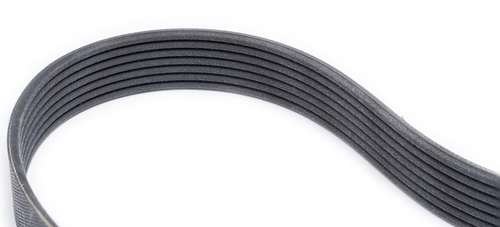
V Belts UAE

V Belts UAE play a crucial role in ensuring smooth, reliable, and efficient power transmission across a wide range of industrial and commercial machinery. At Bearings World, we supply premium-quality V belts engineered to deliver long-lasting performance under demanding operating conditions. Whether used in manufacturing plants, HVAC systems, automotive setups, or heavy-duty industrial machines, our V Belts UAE offer exceptional grip, reduced slippage, and consistent torque transfer. Built from durable materials and designed for continuous operation, these belts help companies maintain productivity, minimize downtime, and achieve stable machine performance across all environments.

Key Features of V Belts UAE
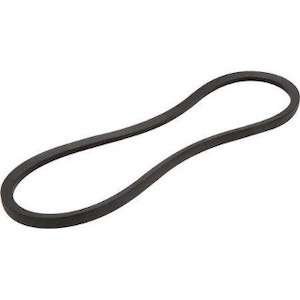
  • High-strength V Belts UAE designed for industrial and commercial applications

  • Durable construction suitable for continuous heavy-duty operation

  • Wide range of sizes and profiles available at Bearings World

  • Designed for smooth power transmission and minimal slippage

  • Suitable for motors, compressors, conveyors, HVAC systems, and machinery

  • Long service life with resistance to wear, heat, and harsh environments

  • Precision-engineered V Belts UAE for reliable performance

  • Cost-effective and easy to replace

  • Available for urgent delivery across the UAE

Overview of V Belts UAE

V Belts UAE are essential components used in various industries to ensure smooth and efficient power transmission between shafts. At Bearings World, we offer a complete selection of high-quality V Belts UAE suitable for industrial machinery, automotive systems, agricultural equipment, manufacturing units, HVAC machines, and more. These belts are built for durability, allowing machines to run smoothly under challenging operating conditions. The strong frictional grip of V Belts UAE enables stable rotation and efficient torque transfer, reducing performance loss and increasing overall productivity.

Our engineered V Belts UAE ensure minimal slippage even under variable load conditions, making them an ideal choice for industries that require continuous operation. By using premium materials and advanced manufacturing processes, our belts provide extended operational life, reduced downtime, and superior machine protection. Bearings World is committed to supplying dependable V Belts UAE that help companies optimize efficiency and maintain consistent workflow.


Why V Belts UAE Are Important for Industrial Applications

1. Smooth Power Transmission

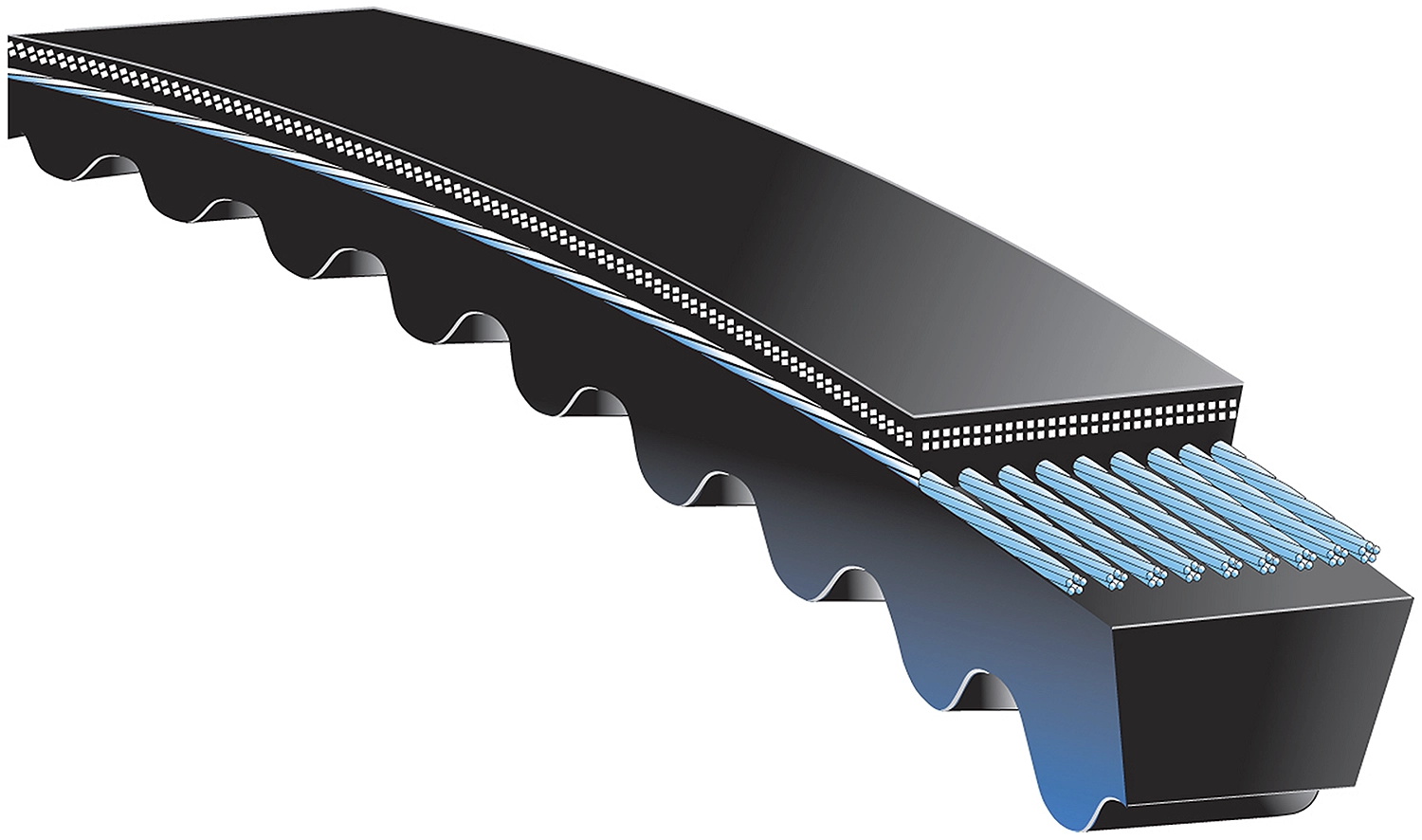
V Belts UAE play a major role in transferring mechanical power between pulleys. Their trapezoidal shape increases friction, ensuring stronger grip and efficient drive performance. This guarantees stable machine cycles and reduces unnecessary energy loss.

2. Long-Lasting Durability

The V Belts UAE supplied by Bearings World are crafted from premium rubber compounds reinforced with synthetic fibers. This ensures resistance to wear, cracking, oil exposure, and extreme temperatures, which are common challenges in industrial environments.

3. Versatility Across Machinery

From light-duty motors to heavy industrial compressors, V Belts UAE are compatible with countless applications. Manufacturing plants, workshops, HVAC facilities, automotive service centers, and agricultural sites rely on these belts for uninterrupted performance.

4. Reduced Maintenance Costs

High-quality V Belts UAE help extend machinery lifespan by minimizing slippage and heat build-up. When machines operate smoothly, components wear more slowly, lowering overall maintenance expenses and reducing downtime.


Types of V Belts UAE Available at Bearings World

Standard V Belts UAE

These are widely used in general industrial applications. They offer reliable performance and cost-effective operation for everyday machines.

Narrow V Belts UAE

Designed for higher power transmission in compact areas, narrow belts deliver strong performance while saving space within machinery setups.

Cogged V Belts UAE

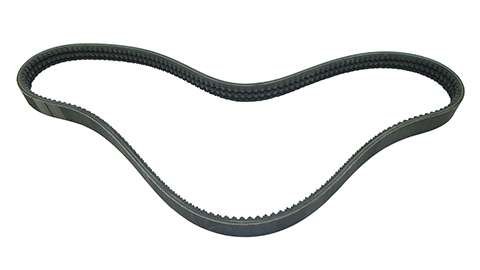
These belts offer improved flexibility and heat dissipation. Cogged V Belts UAE are an excellent choice for high-speed motors and HVAC systems.

Automotive V Belts UAE

Bearings World supplies durable V belts designed specifically for automotive engines, alternators, steering pumps, and AC compressors.

Heavy-Duty V Belts UAE

Industries requiring continuous operation, such as material handling and construction, depend on heavy-duty V Belts UAE for high load capacity and long service life.


Industries Using V Belts UAE

  • Manufacturing units

  • Food processing plants

  • Construction equipment

  • Automotive workshops

  • HVAC and refrigeration systems

  • Agriculture and farming machinery

  • Packaging and logistics equipment

  • Textile and printing industries

  • Oil and gas facilities


Benefits of Choosing Bearings World for V Belts UAE

Extensive Product Range

Bearings World stocks one of the largest collections of V Belts UAE in multiple profiles, lengths, and load-handling capacities. This ensures customers always find the right belt for their machine.

Trusted Quality

Every V belt supplied by Bearings World undergoes strict quality checks, ensuring performance consistency and long-term reliability in demanding environments.

Fast Delivery Across the UAE

We supply V Belts UAE to customers in Dubai, Sharjah, Abu Dhabi, Ajman, Fujairah, and Ras Al Khaimah with quick delivery options for urgent industrial needs.

Expert Guidance

Our technical team provides personalized assistance in selecting the correct belt type, improving efficiency, and reducing operational issues.


How V Belts UAE Improve Machine Efficiency

Friction-Based Grip

The belt’s angled sidewalls increase surface contact, enabling powerful grip and higher torque transmission without slippage.

Energy Efficiency

V Belts UAE reduce power loss during transmission, which helps machinery consume less energy while delivering superior output.

Quiet Operation

A properly installed V belt operates with very low noise levels, improving workplace comfort and reducing machine vibration.

Enhanced Alignment

V belts naturally maintain pulley alignment, reducing mechanical stress on rotating shafts and bearings.


Maintenance Tips for V Belts UAE

  • Inspect belts regularly for cracks or glazing

  • Ensure proper tension to avoid slippage

  • Clean pulleys to remove oil, dust, and contaminants

  • Avoid overloading the machine beyond rated capacity

  • Replace worn belts immediately to prevent machine failure

  • Use the correct belt size recommended by the manufacturer


Why Industries Prefer V Belts UAE from Bearings World

Choosing V Belts UAE from Bearings World guarantees reliable performance in demanding environments. Our belts support heavy machinery, ensure smooth rotation, and minimize operational disruptions. With long service life and high-strength construction, V Belts UAE continue to be the preferred choice for businesses aiming to maintain productivity and efficiency. The superior grip and stress-resistant materials used in our belts help companies reduce machine downtime and achieve cost savings over time.

At Bearings World, every V belt is designed to meet industry standards for load capacity, flexibility, and durability. Whether it’s for a factory, workshop, automotive center, or agricultural machine, our V Belts UAE deliver consistent performance day after day. With availability across the UAE and expert support for selection, we ensure customers receive the best solutions that suit their equipment and application requirements.

Conclusion 

Choosing high-quality V Belts UAE from Bearings World ensures dependable machine operation, reduced maintenance costs, and long-term efficiency. Our belts are designed to support heavy loads, resist wear, and maintain smooth power transmission even in the toughest industrial conditions. With a comprehensive product range, expert guidance, and fast delivery across the UAE, Bearings World remains the trusted supplier for businesses seeking reliable V belt solutions. Whether for manufacturing, automotive, HVAC, or agricultural machinery, our V Belts UAE provide the durability, strength, and performance that industries rely on every day.
[rank_math_rich_snippet id="s-8f276f01-80d6-42b8-86d4-7ddb60022291"]

Power transmission systems are at the heart of countless industrial, commercial, and mechanical applications, enabling machinery to operate smoothly, efficiently, and reliably. Among the many components that make up these systems, belt-driven mechanisms remain one of the most widely used due to their simplicity, cost-effectiveness, and adaptability. These belts are designed to transfer power between rotating shafts, ensuring that machines perform at consistent speeds while handling varying loads and harsh working conditions. In modern industries, dependable belt systems contribute directly to productivity by maintaining stable motion, reducing energy waste, and prolonging the lifespan of equipment. In many facilities, belt drives are chosen over other mechanical transmission methods because they provide smooth operation with limited noise and vibration. They are also easier to install, replace, and maintain compared to gear systems or chain drives. Their flexibility allows them to absorb shocks and compensate for slight misalignments between connected shafts, making them suitable for a wide range of environments. Whether used in heavy machinery, manufacturing lines, climate-control systems, agricultural equipment, or everyday mechanical devices, these belts ensure that rotational energy is delivered effectively from one component to another. Another major advantage of belt-driven systems is their ability to operate in demanding conditions. High temperatures, dusty environments, humid surroundings, and continuous operation all place significant stress on mechanical parts, yet well-designed belts remain functional with minimal wear. Their durability is often enhanced by the use of advanced materials such as reinforced rubber, synthetic compounds, and engineered fabrics that improve resistance to stretching, friction, and heat. The result is a transmission component that functions reliably even under long operating cycles or fluctuating load conditions. Because machinery across industries varies in design and function, belt systems are produced in multiple styles and configurations. Some belts are designed with a narrow body to fit compact machines, while others are wide and robust to handle heavier loads. There are belts made for high-speed rotation and others built for slow, steady, and powerful torque transmission. Some types are flexible and lightweight, while others are rigid and reinforced to withstand constant tension. This diversity allows technicians, engineers, and business owners to choose the exact belt type that matches their machine requirements. An important characteristic of these belts is their ability to deliver consistent performance without frequent adjustments. Modern designs incorporate features that reduce slippage and maintain steady friction between the belt and pulleys. This enhances power transfer efficiency while preventing excessive heat generation that could damage the machinery. Many belts also include special layering or internal reinforcement that keeps their shape intact even after thousands of hours of use. These enhancements ensure operational stability, especially in machines where continuous running is essential. Maintenance is another area where belt systems offer advantages. For technicians, inspecting a belt is typically faster and easier than evaluating other mechanical transmission parts. The surface condition, tension, and alignment can be checked visually or with simple tools, allowing teams to identify potential issues before they lead to machine downtime. Replacing a belt can be done quickly, minimizing interruptions to production or daily operations. This convenience makes belt-driven systems a preferred choice for many industries where uptime is critical. In manufacturing environments, belt systems support conveyor lines, automated machinery, and assembly processes. These systems must run continuously to maintain output, and belts provide the reliability needed to keep machines moving. In climate-control systems, belts help operate fans, blowers, and compressors, ensuring proper air circulation and temperature management in buildings. In agriculture, belts power harvesters, threshers, feed mixers, and irrigation machinery, helping farmers maintain efficient workflows. In commercial settings, belts support various devices such as compressors, pumps, and mechanical tools essential for day-to-day operations. As industries continue to adopt advanced technologies, belt designs have evolved to meet new performance standards. Many modern belts are engineered with precision manufacturing techniques that ensure uniform thickness, consistent tension, and enhanced flexibility. These improvements reduce vibration, increase longevity, and allow belts to operate at higher speeds without compromising safety or efficiency. Modern materials also offer greater resistance to chemicals, moisture, and extreme temperatures, expanding the range of environments where belts can be used. Sustainability has also influenced the evolution of belt systems. Many manufacturers now focus on producing belts that reduce energy consumption by minimizing friction and optimizing grip. Efficient belts contribute to lower power usage across entire facilities, supporting operational cost savings and environmental goals. Durable belts that last longer also reduce waste and the frequency of replacements, helping industries reduce their environmental impact. Customizable solutions represent another important advancement in belt technology. Some machinery requires belts with specific lengths, widths, or performance characteristics. In such cases, engineers can customize belt designs to match the equipment’s operating conditions, rotational speed, and load requirements. Tailored belt solutions ensure optimal performance and reduce the likelihood of mechanical issues caused by improper fitting or insufficient strength. This flexibility allows businesses to maintain high levels of efficiency across specialized equipment and unique industrial applications. Despite the increasing complexity of modern machinery, belt systems remain popular due to their simplicity and reliability. They integrate easily with existing machines and can be upgraded without significant changes to the equipment. Their ability to dampen vibrations and reduce noise makes them ideal for applications where a quiet work environment is important. Belts also offer smooth starting and stopping capabilities, reducing stress on motors and other connected components. This gentle operation contributes to an extended lifespan for the entire system. From an economic standpoint, belt systems continue to be cost-effective. Their relatively low price, combined with long service life and minimal maintenance requirements, makes them a practical choice for businesses of all sizes. For companies maintaining large fleets of equipment, the affordability and easy availability of belts help keep operational costs manageable. Because belts can be replaced quickly, businesses avoid long periods of downtime that could result in financial losses. Safety is another important factor in belt-driven machinery. Properly installed belts reduce the risk of sudden mechanical failures that could lead to accidents or equipment damage. Their ability to slip slightly under extreme load acts as a protective mechanism, preventing catastrophic failure in the system. Routine inspections help ensure that belts remain in good condition, maintaining safe operation across various industrial environments. Technological innovation continues to push the boundaries of what belt systems can achieve. Researchers and manufacturers are exploring new materials that offer improved durability, enhanced flexibility, and lighter weight. Advanced rubber compounds, synthetic fibers, and composite materials contribute to belts that operate more efficiently and last longer than traditional designs. Digital monitoring tools are also emerging, allowing businesses to track belt health through sensors that measure tension, temperature, and wear patterns. These tools help maintenance teams address issues proactively, further reducing downtime and improving productivity. Across industries, the value of dependable power transmission systems cannot be overstated. Belts provide a reliable link between mechanical components, ensuring that machines operate at their intended speed and power. Their ability to handle a wide range of operating conditions makes them suitable for both heavy-duty industrial environments and smaller, more delicate machines. Regardless of the application, belts play a critical role in ensuring the smooth functioning of countless systems around the world. As machinery becomes more advanced and industries strive for higher efficiency, high-quality belt systems remain a fundamental component in meeting operational demands. Their combination of durability, flexibility, cost-effectiveness, and ease of maintenance ensures that they will continue to be essential parts of mechanical operations for years to come. From production lines to agriculture, from construction to energy systems, and from commercial applications to specialized machinery, these belts contribute significantly to the performance, reliability, and longevity of equipment across every sector.Modern power transmission systems rely heavily on belt-driven mechanisms to ensure smooth and efficient operation across a wide range of machinery. Belts are essential components that transfer rotational motion between shafts, enabling equipment to perform consistently even under demanding operating conditions. Their versatility, durability, and cost-effectiveness make them a preferred choice in industries where continuous operation and reliable performance are necessary. Whether used in industrial machines, commercial systems, agricultural tools, or mechanical devices, belts help maintain stable speeds, reduce vibration, and support long-term functionality. One of the major advantages of belt-driven systems is their simplicity. Unlike gears or chain drives, belts require minimal maintenance and can be installed or replaced quickly without extensive downtime. This makes them ideal for environments where productivity must be maintained at all times. Technicians can easily inspect belt tension, alignment, and surface condition, addressing potential issues before they escalate into machine failures. The accessibility and ease of servicing belt-driven components contribute to reduced operating costs and improved maintenance efficiency across different sectors. Belts are also designed to withstand harsh and fluctuating working conditions. Modern materials such as reinforced rubber, synthetic compounds, and engineered fabrics increase resistance to stretching, heat, friction, and wear. This allows belts to maintain consistent performance in dusty factories, hot workshops, humid processing plants, and outdoor environments. Their ability to absorb shock and compensate for slight misalignments further enhances their suitability in machines that operate continuously or handle varying loads. In manufacturing industries, belts play a vital role in conveyor systems, automated production lines, and material-handling equipment. These systems rely on smooth and reliable rotation to transport goods, operate tools, and maintain production flow. By ensuring stable power transmission, belts help prevent interruptions that could lead to delays or reduced output. In the climate-control sector, belts assist in driving fans, blowers, and compressors that regulate air movement and temperature in residential, commercial, and industrial buildings. Agriculture is another sector where belts are widely used. They support machinery such as harvesters, feeding equipment, threshers, and irrigation systems. These machines demand strong and durable components capable of operating for long hours, often in tough outdoor conditions. Belts provide the required performance while ensuring energy-efficient operation, reducing the overall strain on motors and mechanical systems. The design flexibility of belts allows manufacturers to produce a wide range of types suitable for different applications. Some belts are built for high-speed rotation, whereas others are designed to handle heavy loads with slow and steady torque. Reinforced structures, multiple layering, and advanced internal cords enhance strength and longevity. Modern manufacturing techniques ensure uniform thickness, stable tension distribution, and improved friction properties, allowing belts to operate quietly and efficiently even at high speeds. Energy efficiency is another important benefit of these systems. Belts that maintain consistent grip and alignment reduce unnecessary power consumption by minimizing slippage and heat generation. This helps machinery run more efficiently and contributes to lower operating costs. High-quality belts also reduce the frequency of replacements, decreasing long-term expenses and minimizing waste. As technology advances, belt systems continue to evolve. New materials and manufacturing processes have introduced belts that last longer, perform better, and adapt to more complex machinery. Some modern systems even integrate sensors that monitor belt condition, offering real-time data that helps prevent unexpected downtime. This combination of durability, innovation, and adaptability ensures that belt-driven systems remain essential components in industrial and mechanical operations worldwide. In every setting—whether industrial, commercial, or agricultural—belts play a critical role in maintaining reliable and efficient machine performance. Their balance of strength, flexibility, low maintenance needs, and cost-effectiveness makes them indispensable for powering equipment across various sectors. As industries continue to evolve, these components will remain fundamental to supporting productivity, reducing downtime, and promoting long-term operational success.